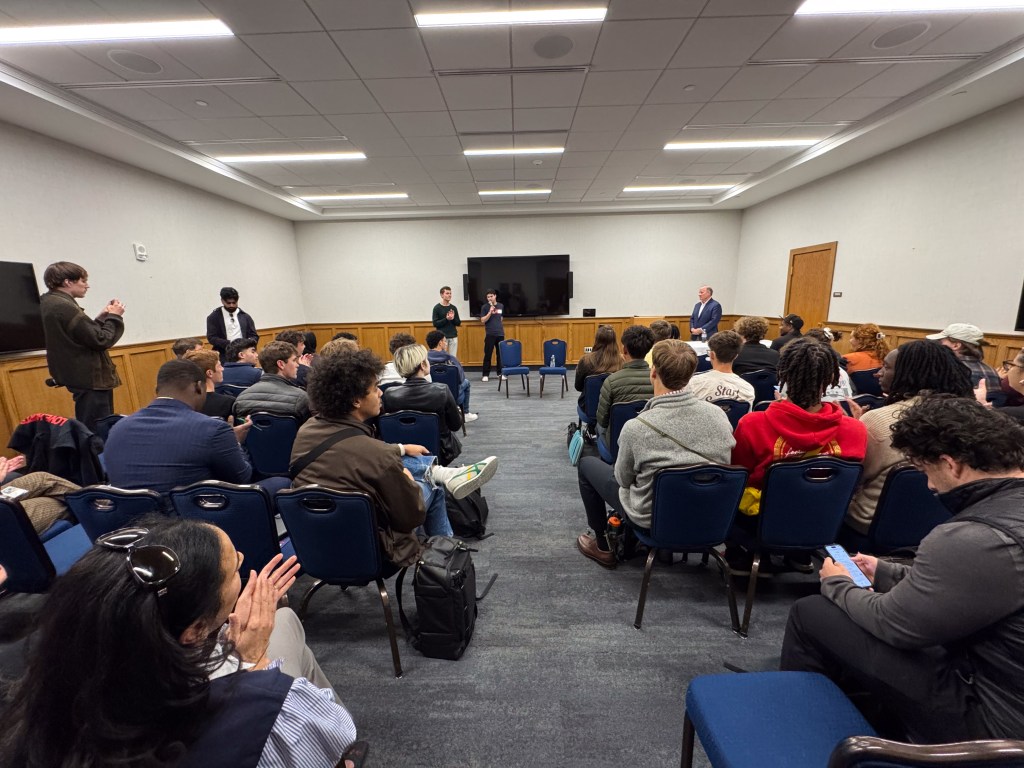

A statewide governor’s race, publishing across thirteen profiles and seven platforms. Posting was inconsistent, and every post was being solved from scratch.
The problem
They were producing. What they did not have was a repeatable way to produce.
Every post started as its own problem: what should this be, who makes it, what does it look like, where does it go, when does it publish. Answering those questions once is fine. Answering them fresh for every single piece across thirteen profiles is what caps your output and makes consistency impossible. Volume was not the only constraint. The lack of a scalable system was.
Thirteen profiles across seven platforms sounds like a distribution advantage. Without a system, it is thirteen separate scrambles.
What was built
A marketing operating system, built in pieces and then connected.
Publishing and analytics ran through Sprout Social, at the tier that included social listening and premium analytics. That decision mattered more than it sounds. In a statewide race, the conversation moves faster than any reporting cycle, and most of what matters is happening in places you are never tagged. Listening meant knowing what was being said across the state as it happened. Premium analytics meant knowing which of thirteen profiles was carrying weight, on which platform, and why.
Every number fed the next decision. What worked on Tuesday shaped what shipped on Wednesday.
Project management came next, so work moved through defined stages instead of living in DMs and text threads. Every piece had an owner, a status, and a deadline that someone other than its creator could see.
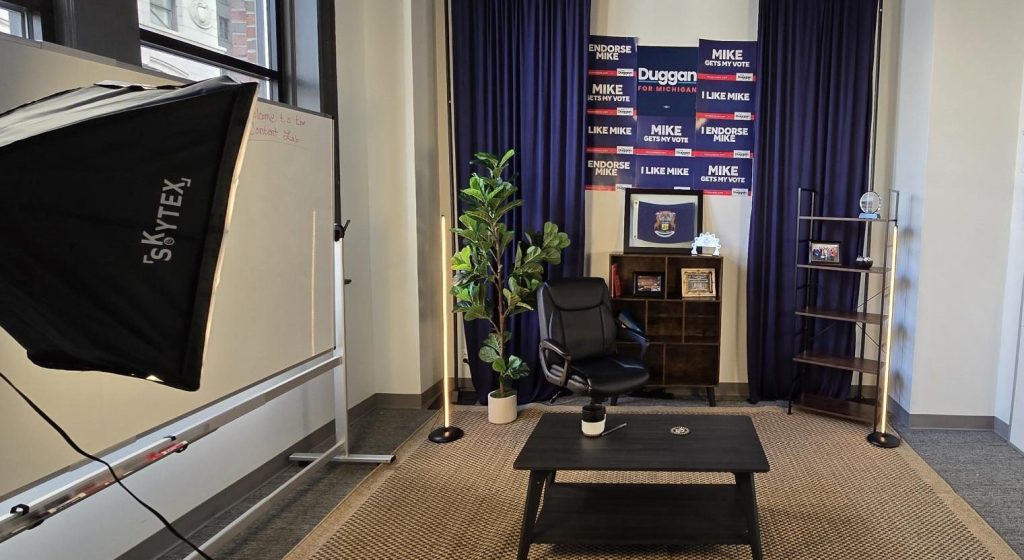
Production capability was built from nothing: a dedicated content space and the equipment behind it, so video and photo stopped depending on whoever happened to be available with a phone.
Then the workflows connecting all of it. Content moved from concept to published without a bottleneck at every step, on a cadence the team could plan against, in a structure built to scale, because campaign volume only goes one direction.

The numbers
Six months of collaborating, compared to the six months prior to our engagement:
- Published posts: 781 to 2,030
- Impressions: 17.2 million to 14.8 million, down 14%
- Total engagements: 124,793 to 768,052
- Engagement rate per impression: 0.7% to 5.2%, a 623% increase
- Net audience growth: 8,035 to 17,279
Why it worked
The interesting number is not the engagement lift. It is that the lift happened while reach went down.
More content reaching fewer people did six times the work. That comes from having a pattern to work from, and from a feedback loop fast enough to correct inside the same week.
Worth noting the difficulty setting. This is political content in a climate where most people scroll past it on reflex. The bar for getting someone to stop, read, and respond is higher than almost any other category. Engagement rate climbed 623% in exactly the environment where you would expect it to fall.
And a race this size runs on a team. Plenty of people did the work. The operating system underneath is what let that team move at volume without the quality collapsing, which is usually what happens when output nearly triples.
What transfers
Most organizations do not have a content problem. They have an infrastructure problem that shows up as a content problem.
The symptoms look the same everywhere: people producing constantly, nothing connecting, no one able to say what is working, and every increase in volume making it worse instead of better. Adding more content to that never fixes it. Building the system underneath does.
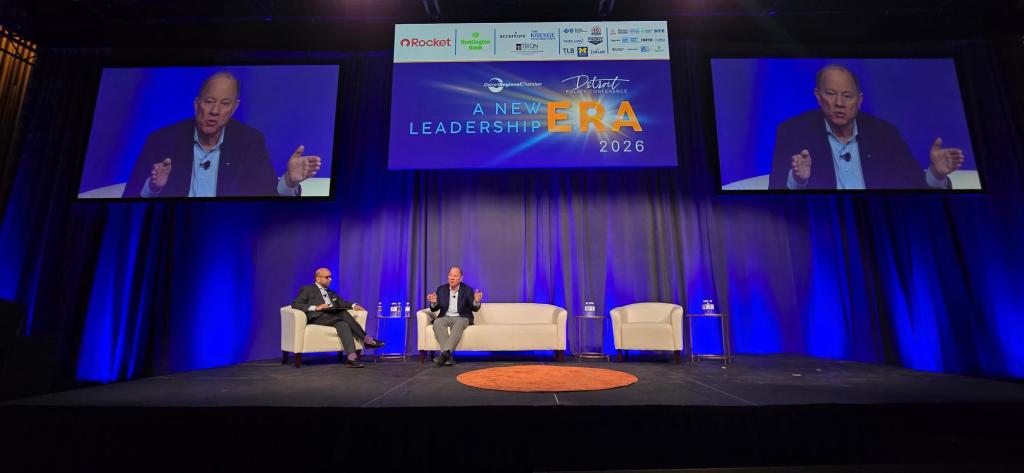

Former Detroit Mayor Mike Duggan drops Independent bid for Michigan’s governor, WXYZ 7 Detroit 
Photos courtesy of Kim Brown Photo and Sarah Tulip Photo. 
Photos courtesy of Kim Brown Photo and Sarah Tulip Photo. 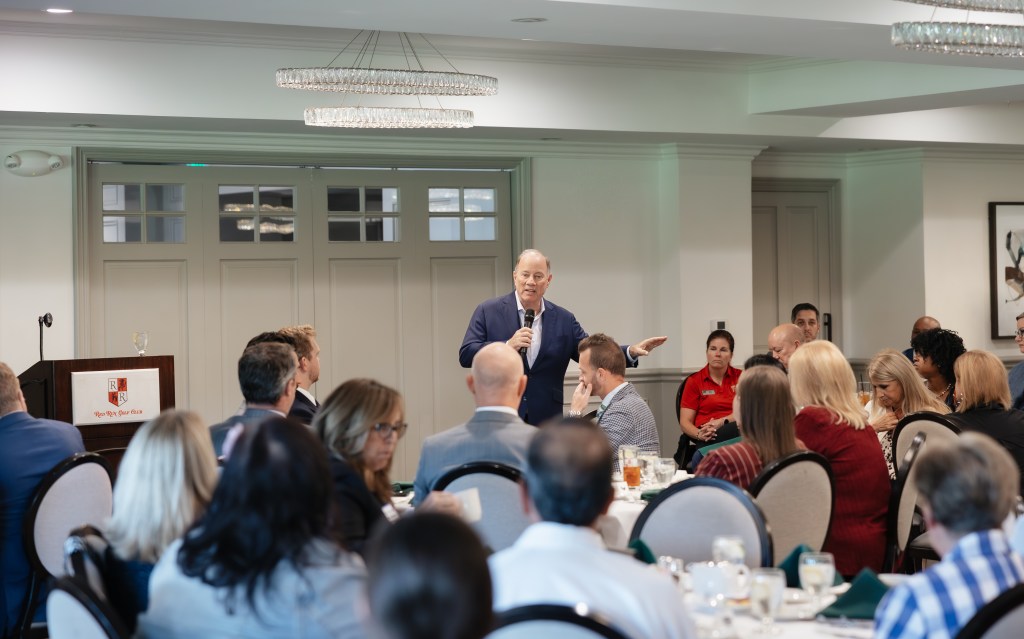
Photos courtesy of Kim Brown Photo and Sarah Tulip Photo. 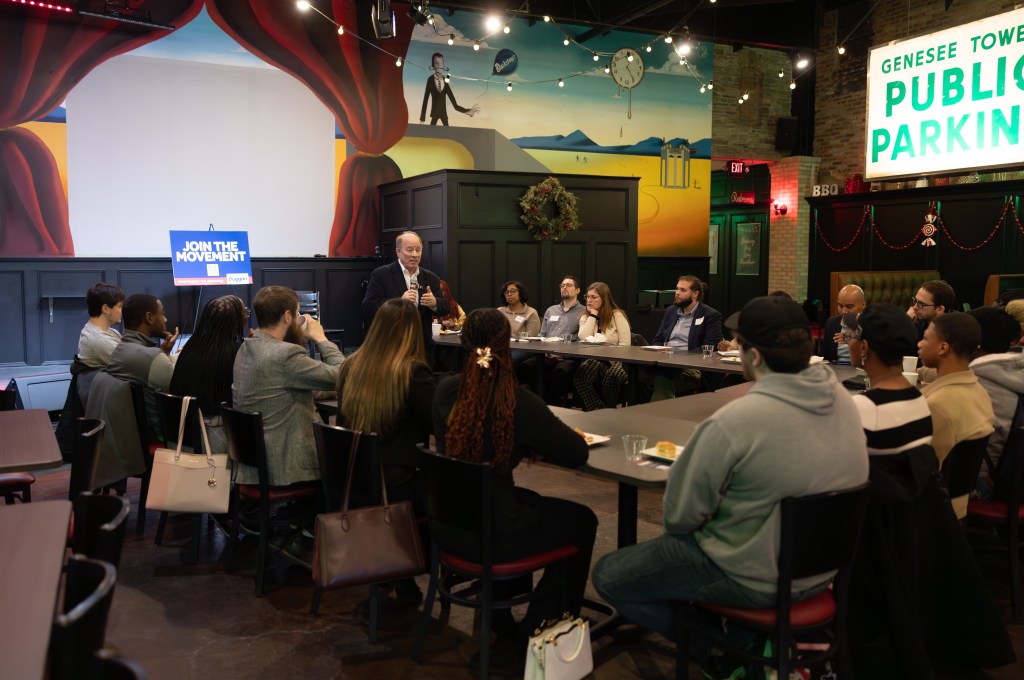
Photos courtesy of Kim Brown Photo and Sarah Tulip Photo. 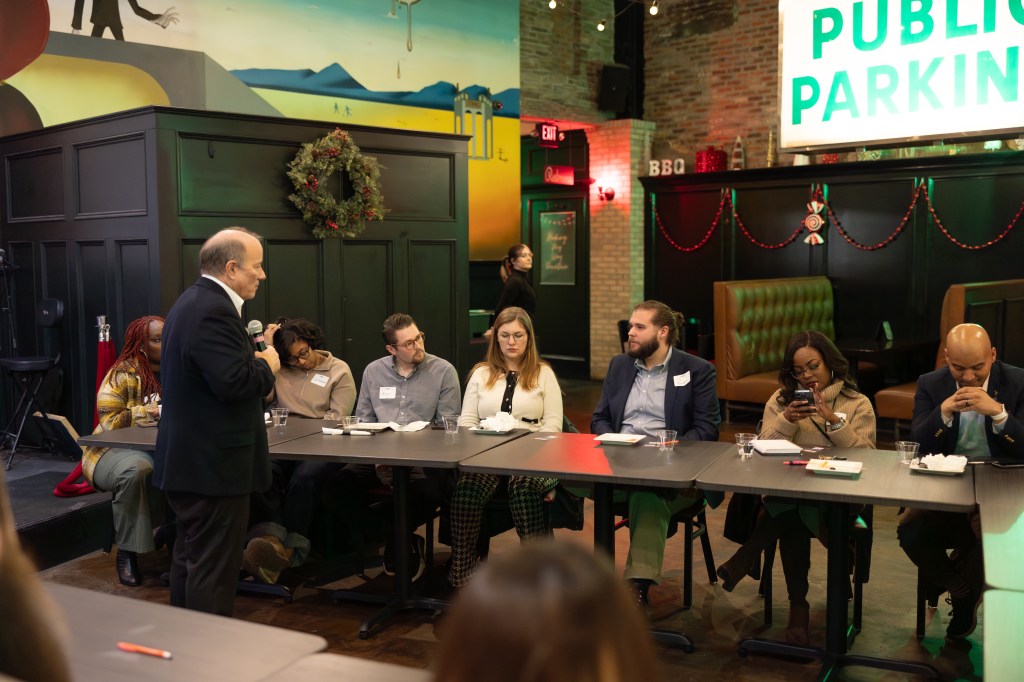
Photos courtesy of Kim Brown Photo and Sarah Tulip Photo. 
Photos courtesy of Kim Brown Photo and Sarah Tulip Photo. 
Photos courtesy of Kim Brown Photo and Sarah Tulip Photo. 
Photos courtesy of Kim Brown Photo and Sarah Tulip Photo. 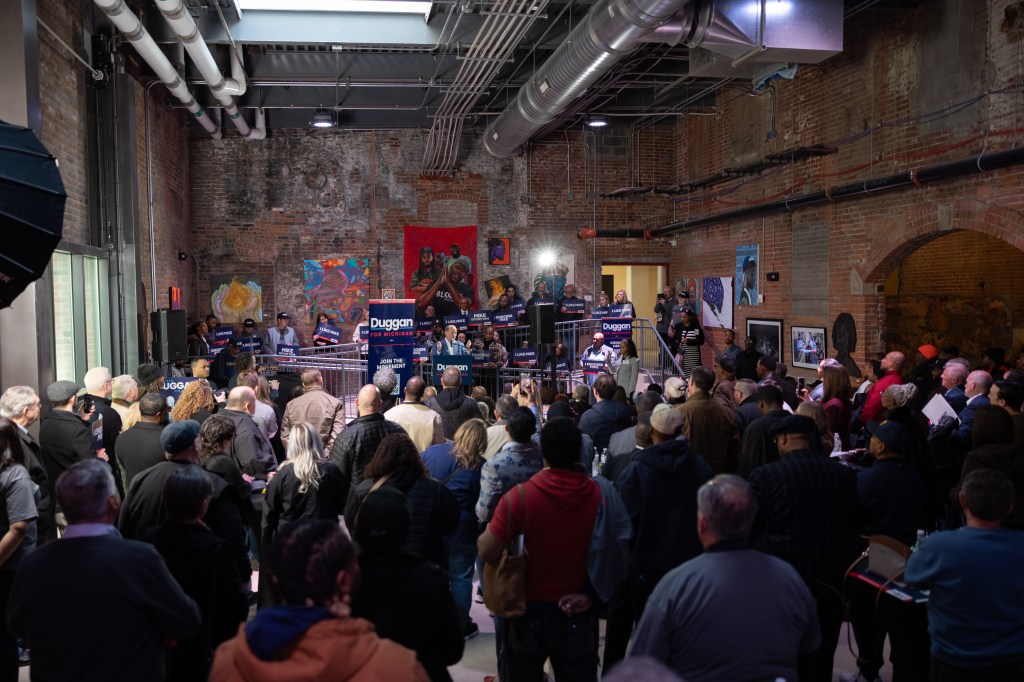
Photos courtesy of Kim Brown Photo and Sarah Tulip Photo. 
Photos courtesy of Kim Brown Photo and Sarah Tulip Photo. 
Photos courtesy of Kim Brown Photo and Sarah Tulip Photo. 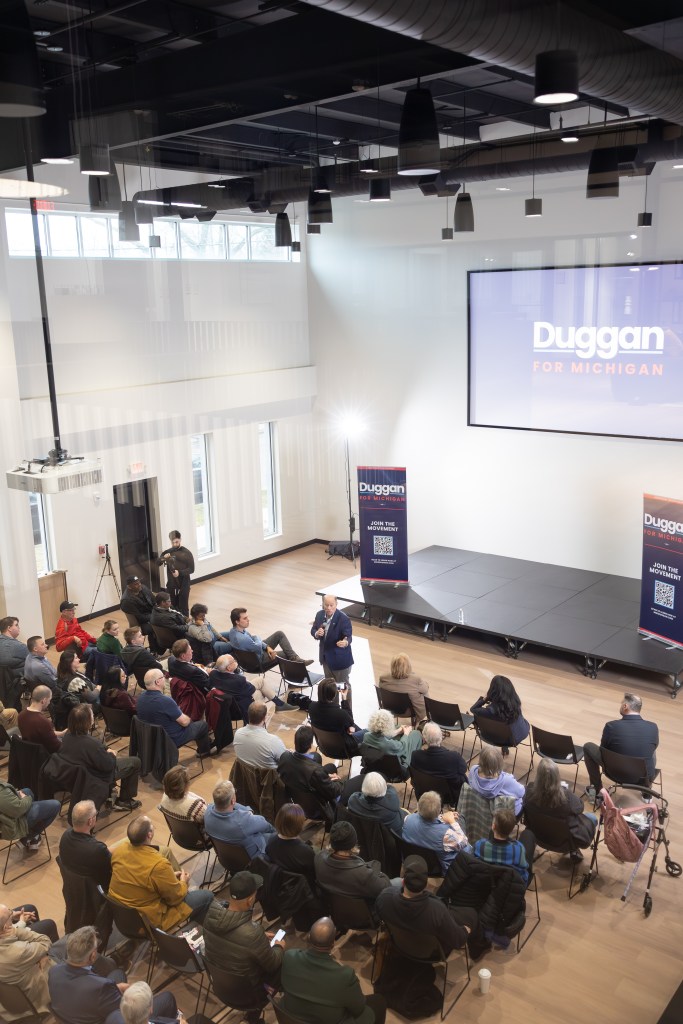
Photos courtesy of Kim Brown Photo and Sarah Tulip Photo. 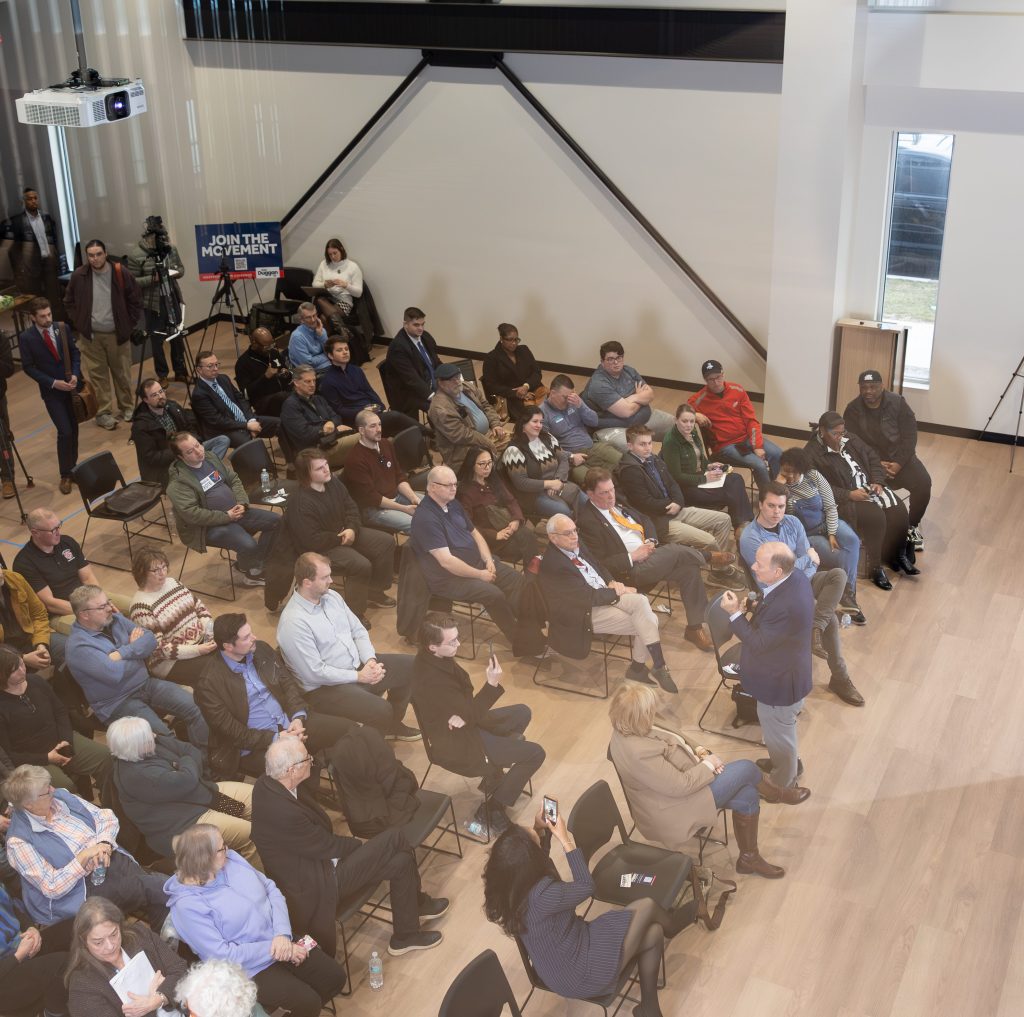
Photos courtesy of Kim Brown Photo and Sarah Tulip Photo. 
Photos courtesy of Kim Brown Photo and Sarah Tulip Photo.